Three ways to get mobile data
Roaming uses your home carrier’s service through partner networks abroad. A local SIM gives you a plan from a carrier in the country you visit. A travel eSIM is a digital plan installed on a compatible device and connects through the networks listed for that plan.
Coverage, speed and support depend on the specific carrier and plan, not just the SIM format.
Compare the full cost
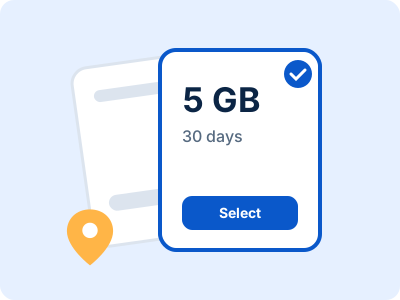
Before leaving, check your home carrier’s roaming rates and passes. For a local SIM or travel eSIM, compare the total price, data allowance, validity, supported countries and any speed or hotspot conditions. The cheapest headline price may not include what you need.
Check whether your home plan charges for calls, texts or voicemail while roaming, even when you use another line for data.
Think about setup and phone support
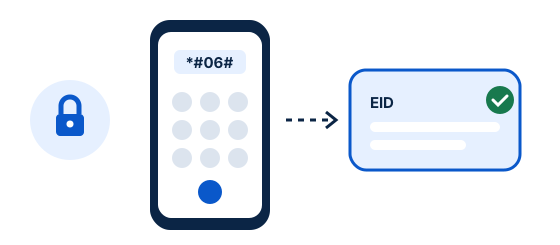
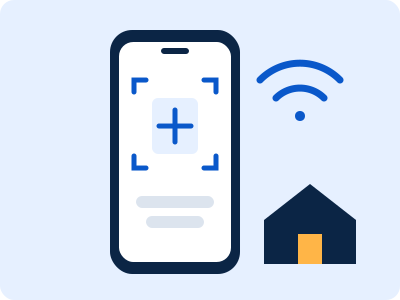
A physical local SIM may require a store visit and a SIM tray. A travel eSIM can often be installed before departure, but your phone must support eSIM and may need to be unlocked. Roaming is usually simplest to turn on, though it may cost more.
For eSIM, verify your exact phone variant and the plan’s installation instructions before purchase.
Keep your regular number in reach
Many dual-SIM phones let you keep the home line available for calls or verification messages while selecting a travel plan for data. Confirm how your phone routes calls and which line is selected for data; your home carrier may still charge for roaming activity.
Set a data line deliberately and review roaming settings for each SIM before you travel.
Choose for this trip
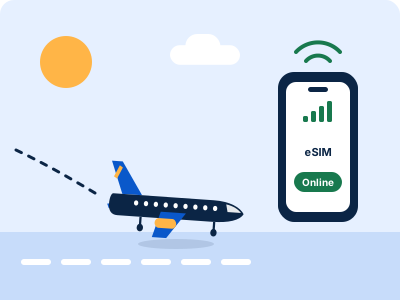
Roaming can suit a short trip when your carrier’s pass is clear and convenient. A local SIM can work well for a longer stay or local number. A travel eSIM is useful when you want to arrange data before arrival. Compare current plan terms for your destination.